


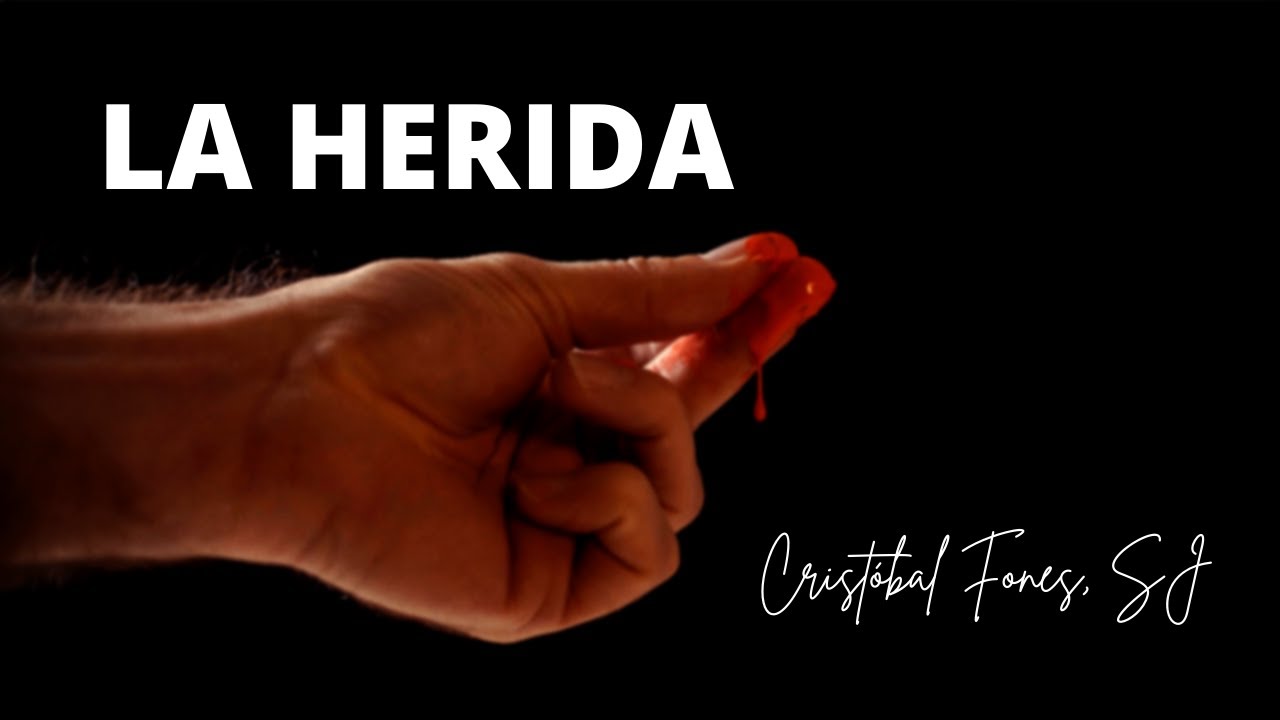
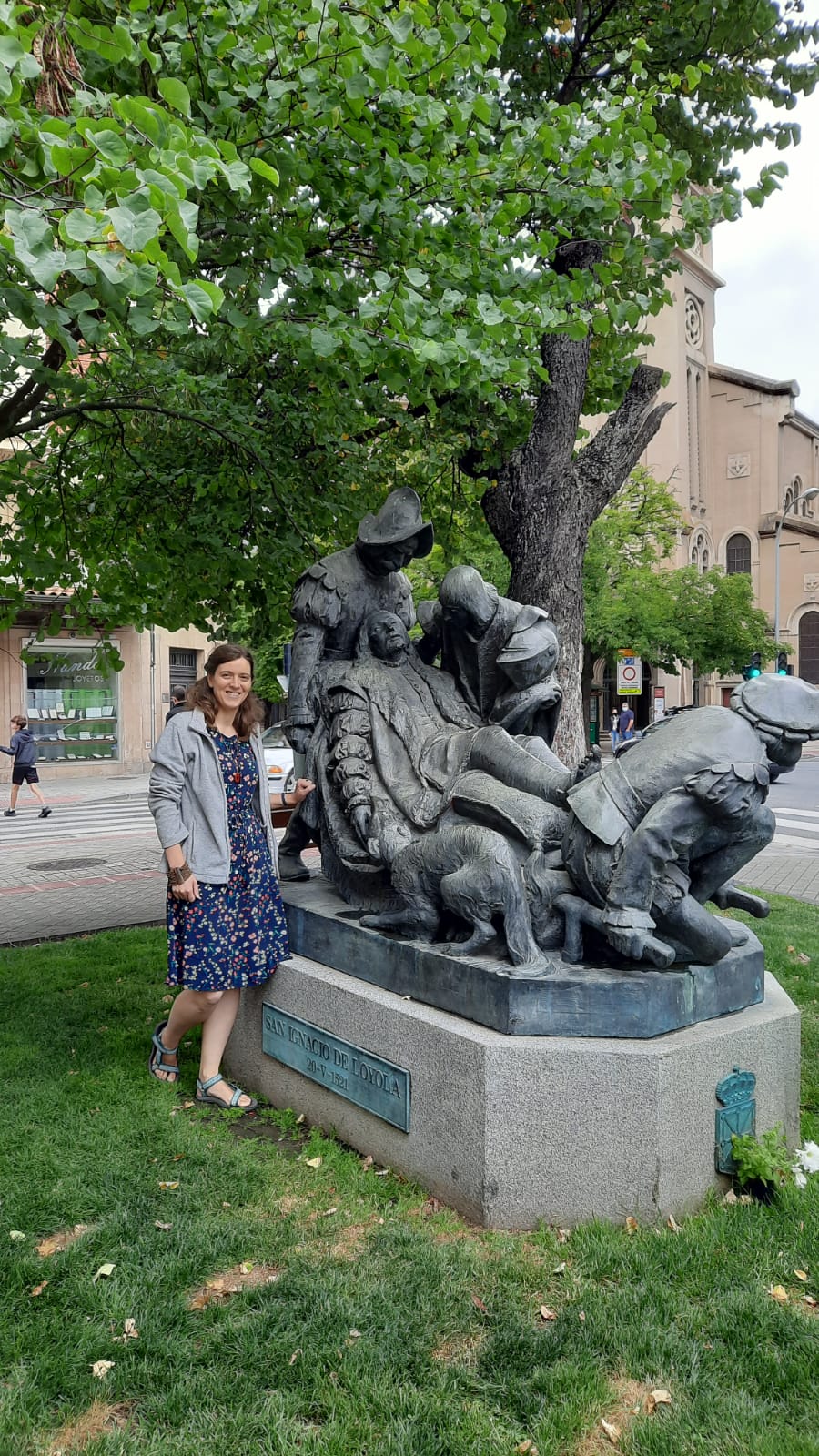
 We are celebrating the Ignatian year – a commemoration of 500 years since the conversion of St. Ignacy Loyola. It turns out, however, that in Spanish this anniversary sounds a bit different, because it’s the 500th anniversary of “the wound” of St. Ignatius. It has been 5 centuries since the founder of the Jesuits was wounded by a cannonball during the defence of Pamplona. This was, indeed, the beginning of his conversion, because reading the lives of the saints during the convalescence pushed him into giving his life completely to Jesus, but nevertheless this “wound” matters. Sometimes you has to travel 2,500 km to discover such a simple truth.
I have received a gift from God to celebrate the feast of St. Ignatius in Pamplona, where it all began for him. This is also where I started my retreat, which was a time of healing wounds and regaining spiritual strength before the long journey that awaits me (if I follow Ignatius’ footsteps, it will really be a veeery long way). Jesus’ feet also accompanied me. Those that walked many miles on earth, were anointed by a friend from Bethany, carried the weight of the cross… and then were immobilised by sharp nails, but only for a short time, just to walk the earth again very soon. This time different, converted, resurrected. Still hurt though.
We all have wounds inside of us. Sometimes bigger, sometimes smaller. But never so great that God could not turn them into glorious scars. This is what Cristóbal Fones SJ sings about, in this song (my translation below):
 At the end of our life we will arrive
with the wound turned into a scar
Love will take its toll.
The road will leave us a thousand footprints.
We will stumble over the same wall.
Any disappointment will make a dent in us.
But we are children of a God that is in love.
Thirsty seekers of answers.
We are pure ambition that You sowed,
so that your kingdom would flourish.
We will fight to death with the ego.
We will feel that time is pressing on us.
We will hold on to our defeats.
We will lose the music and the life.
And yet, we will continue dancing.
Because that’s how we are, humans that belong to you.
Bearers of an unquenchable fire.
Believers in a world without borders.
We are excited about our fragility,
dreamers who do not despair.
We will never give up tomorrow
although today the storm touches us.
And if the motives crack
for having chosen your flag,
we’ll keep walking cracked,
because your Gospel is now our land.
 I came across the Global Catholic Climate Movement (now Laudato Si ‘Movement) a long time ago, around 2011, when my Kenyan friend Allen founded the movement operating in Africa (CYNESA). It aims to involve young Catholics in ecological activities. Since then, a lot has changed in the consciousness of the world (including the ecclesiastical one), and above all, Pope Francis wrote the encyclical Laudato Si ‘, which should lead us through the ways of properly understood ecology.
 Today I decided to write a bit about where I am in my life, inspired by a video talking about how we rarely share what we experience when we are inside a crisis, however, this is the moment where many of us are. It’s a good time for supporting each other and reminding ourselves and others that the crisis will come to an end one day.
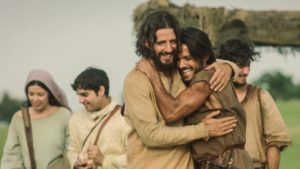 Two and a half years ago, during one of my formation meetings, I heard something wise that accompanies me until today. One simple rule: love and laugh. It captivated me and convinced me that when someone approaches life with deadly seriousness, something is wrong. Although many tears have been on my way lately, love and smiles still play the main role.
 Time flies quickly on vacation, especially if you have lots of great meetings with great people planned. For the last 3 weeks, I have received, not even a sea, but a whole ocean of goodness, support and love, for which I am very grateful. Among them, I cannot fail to mention the messages from two of my former students from Gdynia, who made me very happy remembering religion lessons, which in my eyes seemed to be a complete disaster, and yet they brought someone to God. It is amazing how imperfect tools are used by the One who Himself is the Most Perfect!
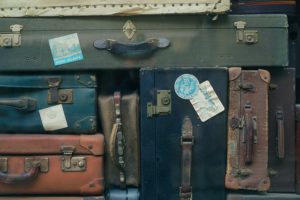 “In this new experience of the world being so small, triste post iterum certainly plays its part, the sadness after the journey that we experience when we return home after an intense long journey. (…) Then, having put our suitcases in the hall, we ask: Is that all there is? Is that what it is? So that was it? ” (Olga Tokarczuk – Nobel Prize winner, “The tender Narrator”)
Recent Comments