


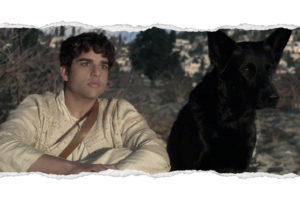
 Today we celebrate the apostle Matthew. I must admit that this is my favourite character from The Chosen series for various reasons, but the most important thing for me is that I started to look at this apostle with much more realism. I knew very well that Matthew was a tax collector and that it meant working for the occupant and collecting high taxes from his Jewish brothers. I also knew that tax collectors often dictated much higher rates than the Romans demanded to enrich themselves at the expense of the poor. It seemed to me, however, that at the moment when Jesus said “Follow me” and he got up and followed him, the whole reality changed forever and Matthew became a friend loved by everyone … it couldn’t be so!
We often wonder if Matthew was worthy to be looked at by Jesus; we ask how it is possible for someone so rich to quickly decide to change their whole life. However, we probably rarely realise how much regret the Jews must have felt towards Matthew for the tremendous betrayal he committed while collaborating with the occupier, and how hard it was to forgive him. Certainly, the apostles reminded Matthew of his past!
Each of us has made mistakes in our lives that become a huge burden after many years. Sometimes we are directly reproached by others, and sometimes we are so unable to forgive ourselves that despite repeatedly entrusting it to God in confession, we are unable to close a chapter. I think that today, while celebrating together with Matthew, we can ask him for his intercession in this particular matter – so that our past does not obscure our present. God always sees us here and now. May we be courageous in building God’s world, remembering that our history (whatever it may be) has shaped us in such a way that we want to follow Jesus today. That’s always worth celebrating.
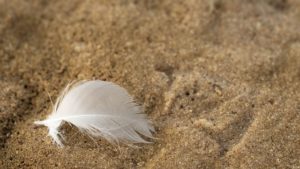 Recently, in Sunday’s second reading, we read the letter of St. James. This letter has many interesting threads – more and less known. While praying today with this letter, my attention was drawn to a fragment which was given the title “Unreliability of human plans” (Jas 4: 13-17):
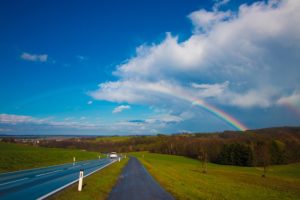 On Sunday, I was returning from my last holiday trip, remembering many amazing moments of the last two months, but also thinking with curiosity about the upcoming school year, which promises to be fascinating for many reasons. However, I did not expect that inspiring experiences would await me on the regular S8 route between Wrocław and Warsaw. The sky in front of me was covered with soft round clouds, from behind which from time to time a timid sun peeked out and nothing foreshadowed a great downpour that hit the car window in an instant. I looked in the rear view mirror and saw an image like from a dark movie – a wall of rain and darkness. I had the impression that I was on a thin line connecting two worlds.
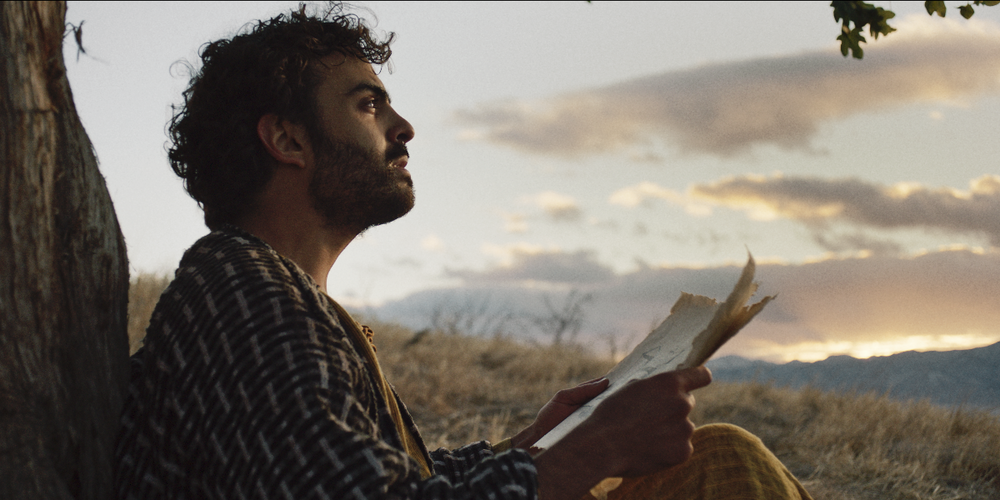 Today in the church we remember Nathanael, so we read this amazing Gospel passage, in which there are so many interesting moments: “Can anything good come from Nazareth”, “Come and see”, “Here is a true Israelite. There is no deception in him.”, “You will see greater things than this”… Each of them is suitable for a separate inspiration for prayer and reflection. Today I stopped at the words: “I saw you under the fig tree”. I am not the first or the last to wonder what actually happened underneath that tree and how much it must have mattered to Nathanael as he immediately recognises that Jesus is the Son of God. I think that the version shown in
 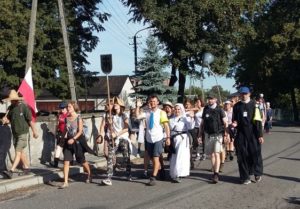 Today’s Gospel about the workers of the last hour reminds me of my personal pilgrimage experience from 3 years ago. Today I wanted to share with you what I discovered then:
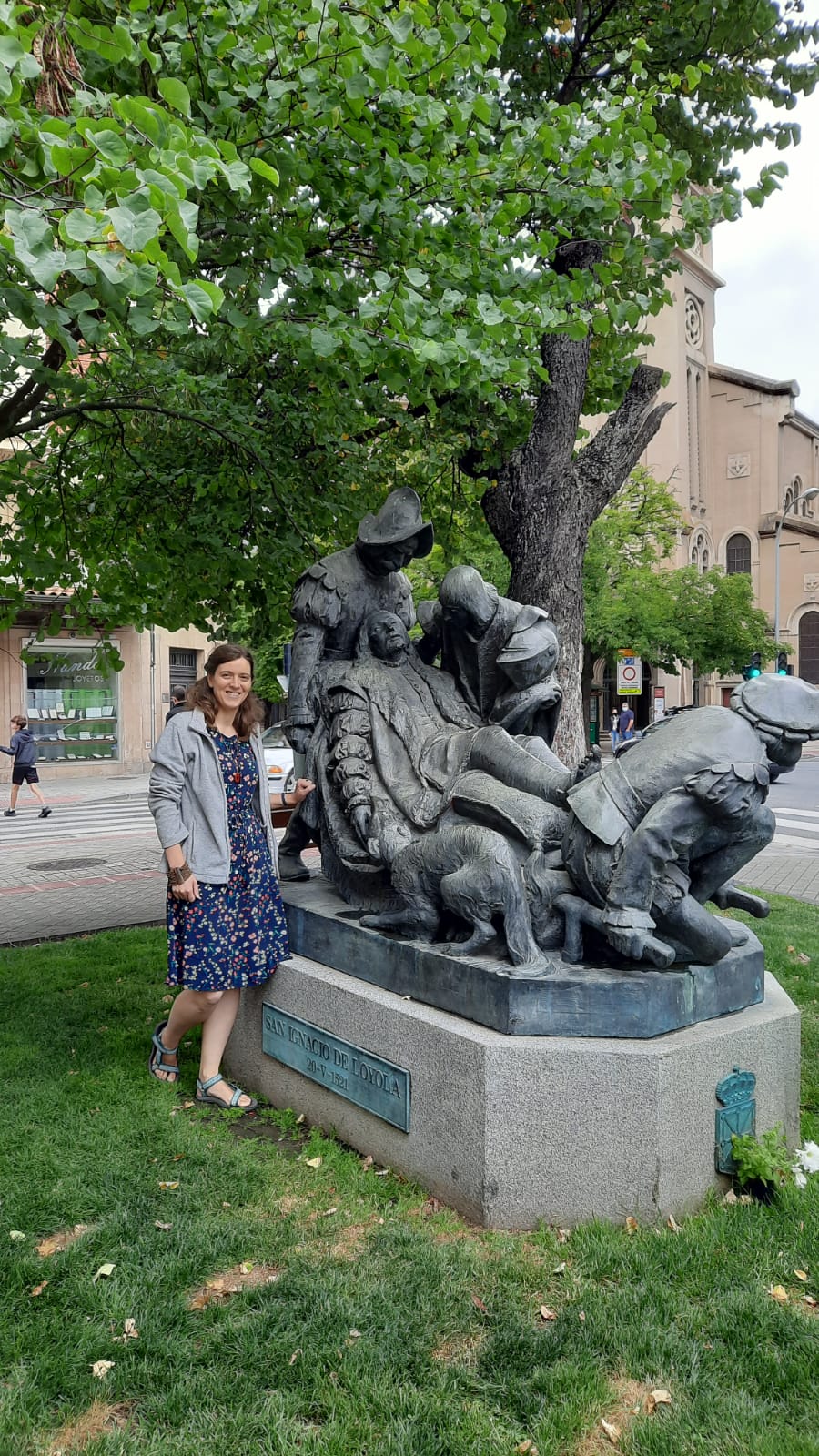
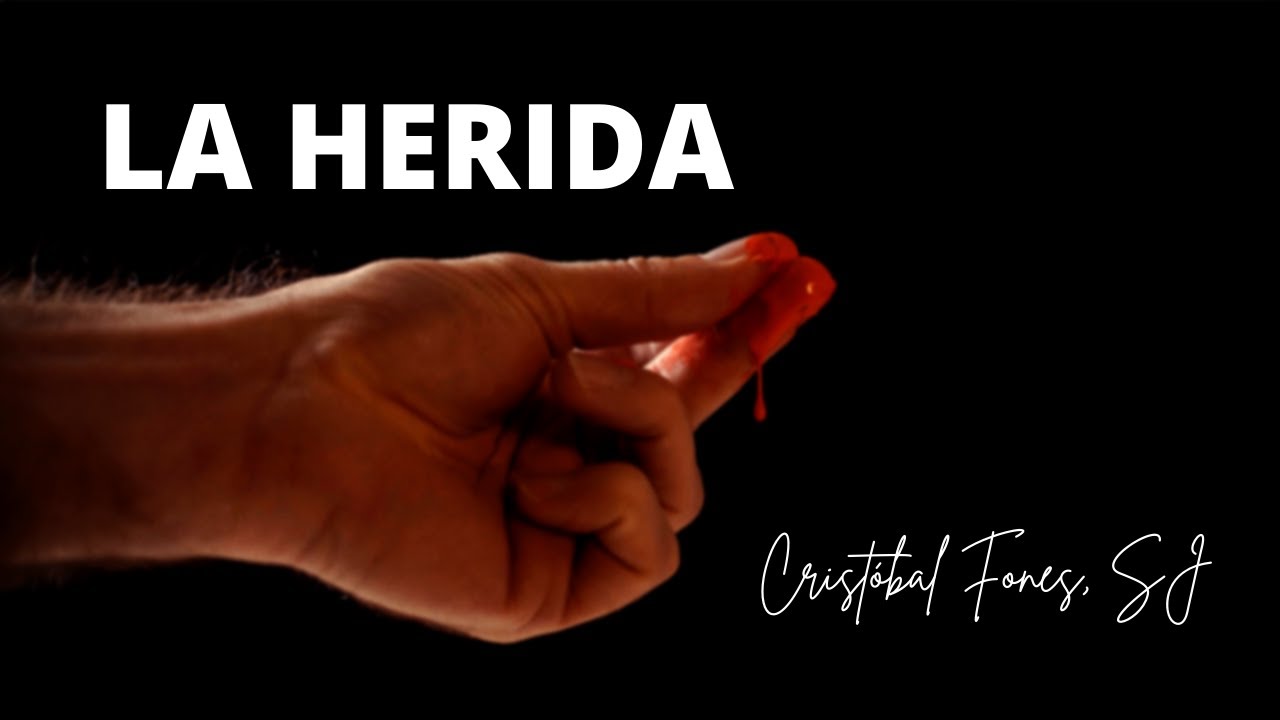 We are celebrating the Ignatian year – a commemoration of 500 years since the conversion of St. Ignacy Loyola. It turns out, however, that in Spanish this anniversary sounds a bit different, because it’s the 500th anniversary of “the wound” of St. Ignatius. It has been 5 centuries since the founder of the Jesuits was wounded by a cannonball during the defence of Pamplona. This was, indeed, the beginning of his conversion, because reading the lives of the saints during the convalescence pushed him into giving his life completely to Jesus, but nevertheless this “wound” matters. Sometimes you has to travel 2,500 km to discover such a simple truth.
 At the end of our life we will arrive
 I came across the Global Catholic Climate Movement (now Laudato Si ‘Movement) a long time ago, around 2011, when my Kenyan friend Allen founded the movement operating in Africa (CYNESA). It aims to involve young Catholics in ecological activities. Since then, a lot has changed in the consciousness of the world (including the ecclesiastical one), and above all, Pope Francis wrote the encyclical Laudato Si ‘, which should lead us through the ways of properly understood ecology.
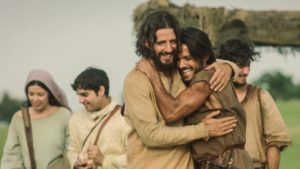 Two and a half years ago, during one of my formation meetings, I heard something wise that accompanies me until today. One simple rule: love and laugh. It captivated me and convinced me that when someone approaches life with deadly seriousness, something is wrong. Although many tears have been on my way lately, love and smiles still play the main role.
 Time flies quickly on vacation, especially if you have lots of great meetings with great people planned. For the last 3 weeks, I have received, not even a sea, but a whole ocean of goodness, support and love, for which I am very grateful. Among them, I cannot fail to mention the messages from two of my former students from Gdynia, who made me very happy remembering religion lessons, which in my eyes seemed to be a complete disaster, and yet they brought someone to God. It is amazing how imperfect tools are used by the One who Himself is the Most Perfect!
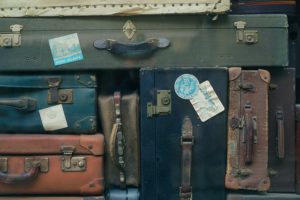 “In this new experience of the world being so small, triste post iterum certainly plays its part, the sadness after the journey that we experience when we return home after an intense long journey. (…) Then, having put our suitcases in the hall, we ask: Is that all there is? Is that what it is? So that was it? ” (Olga Tokarczuk – Nobel Prize winner, “The tender Narrator”)
Recent Comments